

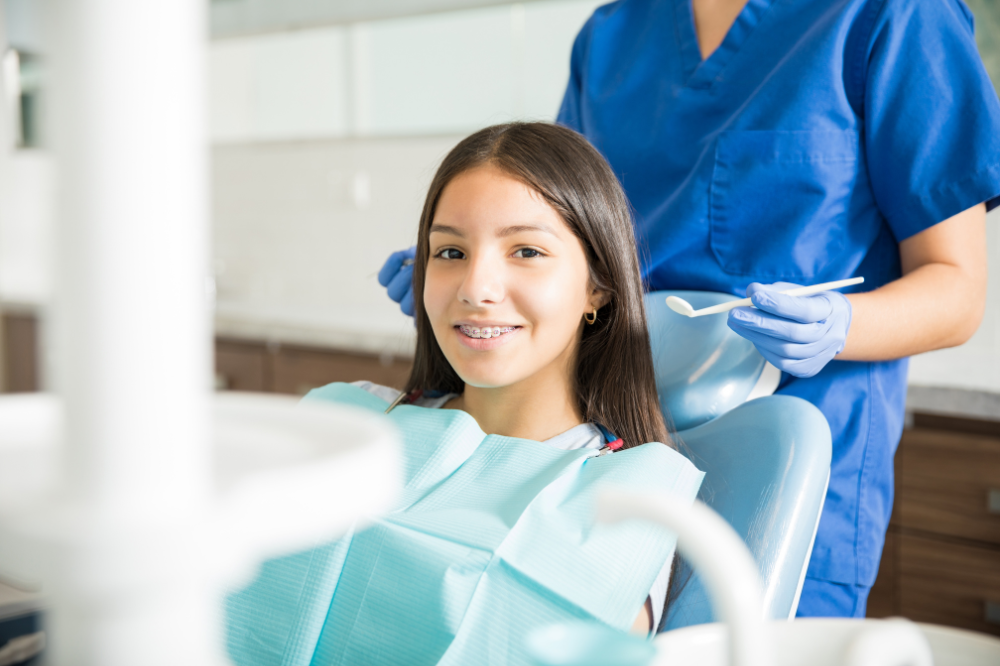
Straightening teeth takes time. Orthodontic treatment uses gentle, steady pressure to slowly move the teeth into new positions. Orthodontics in West Kelowna may use braces, clear aligners, or other dental devices to move the teeth in a planned way. Teeth are not simply pushed through the jawbone. The bone and tissues around the teeth slowly adjust as the teeth move. This helps the teeth move while staying supported by the surrounding tissues. Because these changes happen slowly, orthodontic treatment can take several months. The treatment time depends on the starting position of the teeth, the type of treatment, and the extent of movement required.
Understanding how teeth move can make the treatment process easier to follow.
How Does Orthodontic Treatment Move Teeth?
Teeth are held in place by strong tissues that connect them to the surrounding bone. When gentle pressure is applied, these tissues respond by allowing the tooth to change position gradually.
During Orthodontics near you, controlled pressure can create changes around the tooth:
- The bone on one side can be slowly removed.
- New bone can form around the tooth as it moves.
- Supporting tissues adjust to the new position.
- The tooth gradually settles into its planned location.
This process happens over time rather than all at once.
What Role Does the Bone Play?
The bone around each tooth is constantly changing. Orthodontic pressure encourages this natural process, allowing a tooth to move through the bone without being forced into a new position too quickly.
A dental clinic in West Kelowna can monitor tooth movement during treatment to make sure the teeth are progressing safely. Regular appointments allow adjustments when needed.
Why Does Orthodontic Treatment Take Months Instead of Days?
Teeth need time to move safely. The bone and tissues around the teeth need time to adjust as the teeth move. Moving teeth too quickly can put extra stress on the tissues that support them.
Treatment takes time because:
- Teeth need to move gradually.
- The bone must adjust around the moving tooth.
- Supporting tissues need time to adapt.
- Different teeth may need different amounts of movement.
- The bite may need to be adjusted along with tooth alignment.
The treatment timeline varies based on the individual case.
Do Braces and Clear Aligners Move Teeth Differently?
Both braces and clear aligners use controlled pressure to move teeth, but they apply that pressure in different ways. Braces use brackets and wires to guide tooth movement. Clear aligners use a series of custom trays that are changed as treatment progresses.
Orthodontics in West Kelowna may involve either option, depending on tooth positions, bite, treatment goals, and the suitability of the treatment method.
Does Moving Teeth Damage the Roots?
Normal orthodontic tooth movement is planned to reduce unnecessary stress on the teeth and supporting tissues. However, some patients may experience changes to the tooth roots during treatment.
Root changes can depend on factors such as:
- Amount and direction of tooth movement
- Length of treatment
- Individual response to treatment
- Previous dental or orthodontic treatment
Regular monitoring helps identify concerns during treatment.
What Happens After the Teeth Move?
Once teeth reach their planned positions, the surrounding bone and tissues need time to adjust to the new alignment. This is one reason retainers are commonly recommended after active orthodontic treatment.
A dentist near you can explain how to care for your teeth after treatment and how long you may need to wear a retainer, based on your treatment plan.
What Can Affect How Quickly Teeth Move?
Tooth movement is not the same for everyone. Several factors can affect treatment progress, including:
- Age and individual biology
- Tooth position
- Type of orthodontic treatment
- Amount of movement required
- Consistency with treatment instructions
- Overall oral health
Following the recommended treatment schedule can help keep tooth movement on track.
Move Forward With a Clear Orthodontic Plan!
Orthodontic treatment involves gradual changes, regular monitoring, and careful adjustments to help guide the teeth into better positions. Understanding the process and following the recommended care instructions can help support progress throughout treatment. Westbank Dental & Implant Center can assess your smile, explain the available treatment options, and help you understand what to expect along the way.
Book your appointment to discuss your orthodontic needs and take the next step toward a better-aligned smile.
FAQs
Can orthodontic treatment change the shape of a smile?
Orthodontic treatment can change the position and alignment of the teeth, which may affect how the smile looks. The extent of any visible change depends on the starting alignment and treatment plan.
Is orthodontic tooth movement the same for every tooth?
No. Different teeth may move at different speeds depending on their position, size, root shape, and the type of movement needed.
Can orthodontic treatment close small gaps between teeth?
Yes. Braces or clear aligners may be used to gradually bring certain teeth closer together and reduce spaces when appropriate.
Can orthodontic treatment move a tooth that is partly hidden under the gum?
In some cases, a tooth that has not fully come through may be guided into a better position. The treatment approach depends on where the tooth is located and why it has not erupted normally.