

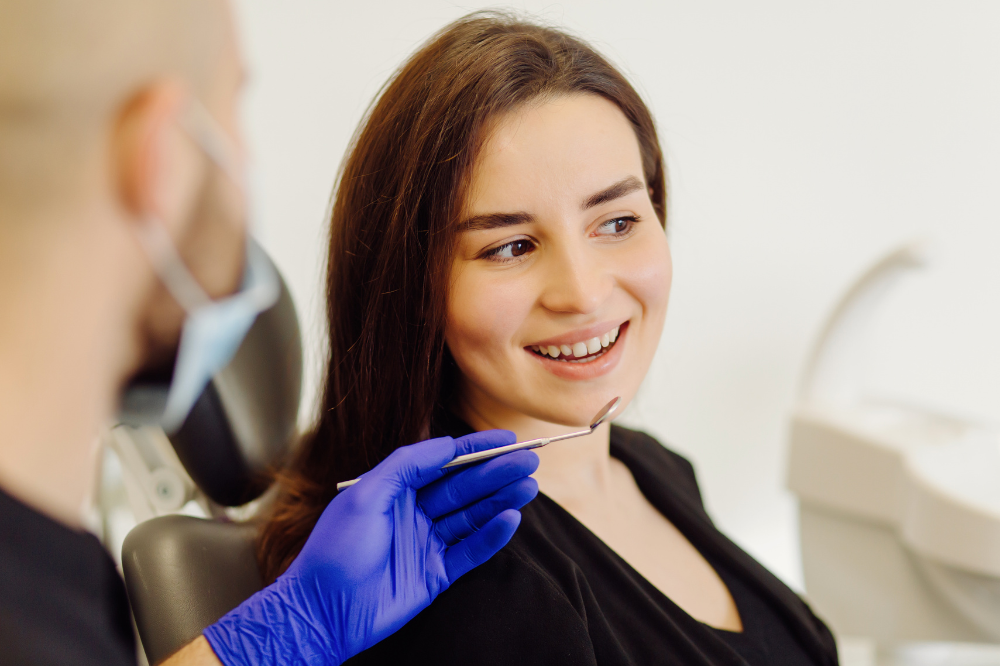
Your teeth and gums do more than help you chew food and smile. Regular dental checkups in West Kelowna play a major role in keeping your entire body healthy. When you visit your dentist, you’re not just protecting your teeth—you’re protecting your heart, lungs, and many other parts of your body.
Many people don’t realize that oral health is connected to serious health conditions like heart disease, diabetes, and respiratory infections. This guide will show you why dental checkups near you matter for your overall wellness.
Why Your Teeth Matter More Than You Think
Your mouth is the entrance to your body. Mouth bacteria can enter your bloodstream and spread to other organs of your body. Bacteria build up, and infection occurs when you skip dental checkups.
Research shows that people with untreated gum disease have higher rates of heart attacks and strokes. The same bacteria that damage your gums can also damage your blood vessels. This means visiting a dentist in West Kelowna near you isn’t just about fresh breath—it’s about protecting your life.
How Dental Problems Affect Your Overall Health
Heart Disease and Blood Vessel Problems
Bacteria can get into your bloodstream when you have infections or inflammation. These germs can attach themselves to the valves of your heart and to your blood vessel walls to cause inflammation. Your arteries gradually become blocked with fat. This makes heart disease and stroke more likely, according to the experts.
Diabetes and Blood Sugar Control
Gum disease makes it harder for your body to control blood sugar levels. If you have diabetes, infected gums make your condition worse. On the flip side, high blood sugar weakens your immune system, making it easier for gum infections to develop. It’s a cycle that affects both your teeth and your diabetes management.
Respiratory Infections and Lung Health
Bacteria from your mouth can travel down to your lungs. This is especially dangerous for older adults and people with weak immune systems. Dental infections can lead to pneumonia and other serious breathing problems.
Bone Loss and Aging
Gum disease attacks the bone that holds your teeth in place. As bone disappears, your face shape changes, and your teeth become loose. Bone loss also affects your overall strength and mobility as you age.
What Happens During a Regular Dental Checkup?
Cleaning and Plaque Removal
Your dentist removes tartar and plaque that your toothbrush cannot reach. This prevents bacteria from building up and damaging your gums.
Early Detection of Problems
A dentist near you examines your teeth for cavities, gum disease, and oral cancer. Tackling issues early results in easier treatment and lower costs. Problems caught early have a chance of developing into serious health problems later on.
Personalized Oral Health Plan
Your dentist teaches you how to brush and floss properly. They also suggest things and habits which fit your specific needs. It helps in maintaining healthy teeth between your visits.
Connection to Systemic Health
During your appointment, your dentist can spot signs of diabetes, osteoporosis, and other diseases. Your mouth often shows symptoms of health problems before other parts of your body do. This makes dental checkups an important part of your overall health monitoring.
The Recommended Schedule for Dental Checkups
Most people should visit their dentist twice per year—every six months. This schedule allows your dentist to catch problems early and remove buildup before it causes damage.
| Patient Type | Recommended Frequency | Why This Schedule Works |
| Healthy adults | Every 6 months | Removes tartar and detects early problems |
| People with gum disease | Every 3-4 months | Prevents progression and complications |
| Diabetic patients | Every 3-4 months | Helps control blood sugar and infection risk |
| Smokers | Every 3-4 months | Speeds up disease development; needs closer monitoring |
| Elderly patients | Every 6 months | Monitors bone loss and catches serious conditions early |
Steps to Maintain Oral Health Between Visits
Dental checkups work better if combined with good daily habits. Here are activities you can engage in from home:
- Maintaining oral hygiene by brushing teeth for two minutes with fluoride toothpaste twice daily is essential.
- It is essential to floss daily to remove food and bacteria from between teeth.
- Avoid beverages and snacks high in sugar that bad bacteria love.
- Following meals, rinse your mouth with water to remove food particles.
- Both tobacco and alcohol damage your gums; don’t use either in excess.
- Ensure you drink enough water every day
Preventing Oral Health Issues Before They Start
Your dental health is not separate from your overall wellness. The bacteria in your mouth can affect your heart, lungs, and blood sugar control. Regular checkups can catch problems before they become serious and expensive to treat.
Don’t wait for pain or visible problems to see a dentist. Prevention is always easier and safer than treatment. Schedule your next appointment today and take an important step toward protecting your entire body.
Frequently Asked Questions
Can gum disease really increase the risk of a heart attack?
Yes. Bacteria in the infected gums can get into your bloodstream and damage your heart and blood vessels, thereby increasing your risk.
How often should someone with diabetes visit the dentist?
People with diabetes should see a dentist every 3 to 4 months to prevent infections and control their blood sugar levels better.
What signs show that I need a dental checkup soon?
Bleeding gums, bad breath that doesn’t go away, loose teeth, or tooth pain all mean you should visit your dentist right away.
Is a dental cleaning painful?
Professional cleanings are generally not painful, though your gums may feel tender if they’re already inflamed or sensitive.